I spent most of a week doing my civic duty in Civic Center, an inorganic labyrinth of civic infrastructure atop LA’s Bunker Hill. Upper and lower Grand Avenue crisscross acres of subterranean parking, while a sterile, three-tiered concrete park surrounded by government buildings, stretches from the Los Angeles Music Center to City Hall.
People come here because they have no other choice if you’re a government worker or Broadway lover and because the surrounding pop architecture pieces are pre-ordained monuments. Or, like me, summoned for jury duty.
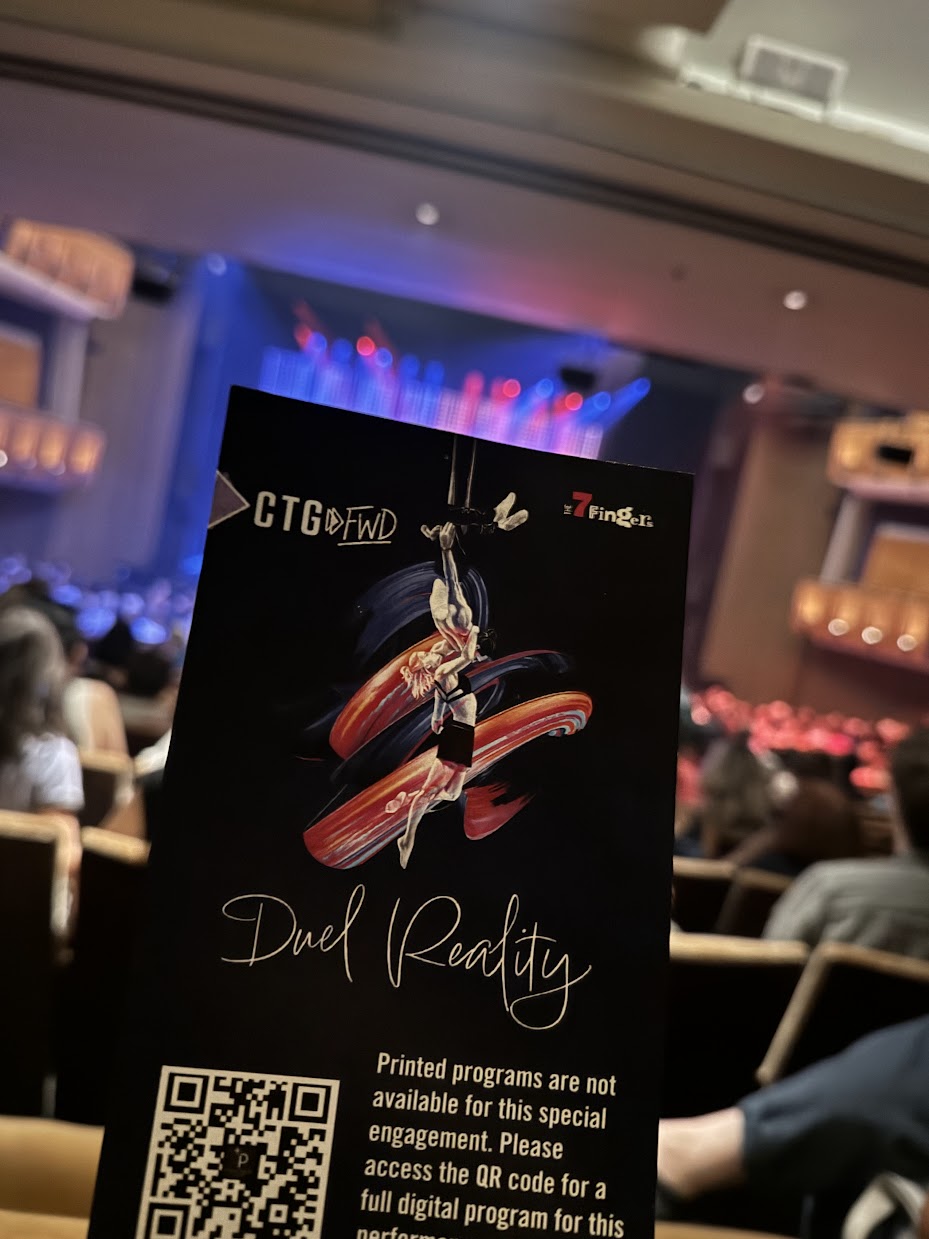
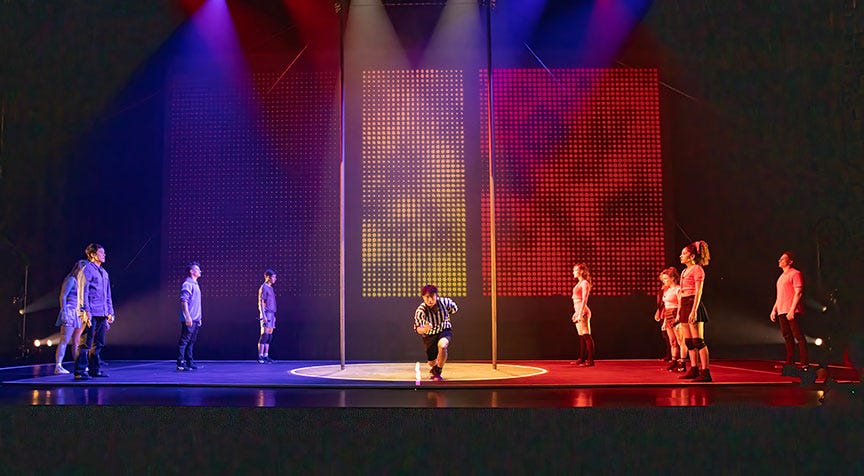
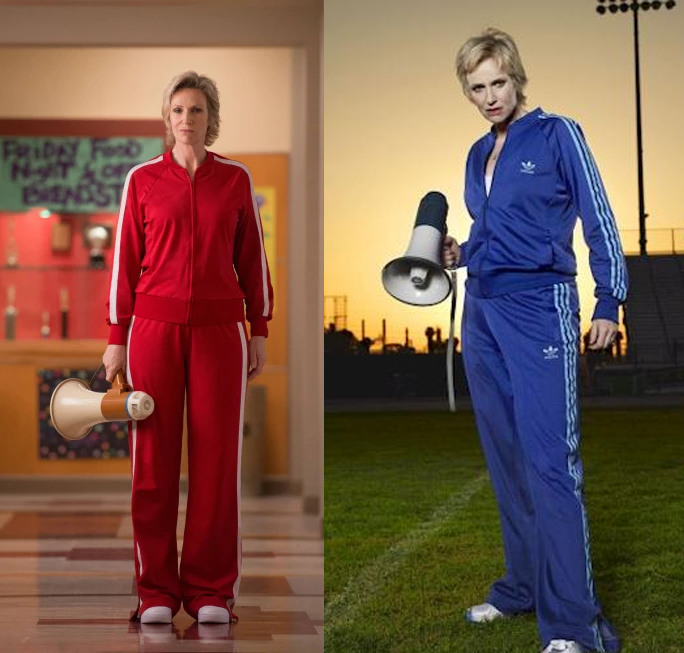
That’s how I found myself spending a few days in this deforested urban bureaucrat jungle. But before that, I saw Duel Reality at the Ahmanson, “an acrobatic tour-de-force for all ages inspired by the star-crossed tale of Romeo and Juliet.” It was basically a Cirque show if everyone dressed like Sue from Glee. While the stunts impressed, the Shakespeare part was tacked on and the acrobats were questionably asked to also sing and dance.
And in this version, Romeo and Juliet don’t die. Instead, the audience was split into red and blue teams and given matching armbands to stand in for the Capulets and Montagues. As the spectacular stunts devolved into high school musical, we were asked to toss the armbands to the ground and join in a ukulele-led kumbaya because “who needs another tragedy these days?”
I didn’t expect to return to the area for the rest of the working week. I assumed I’d check into the online jury system and be dismissed. Instead, the system insisted I report to the Clara Shortridge Foltz Criminal Justice Center.
So, Monday through Friday, I parked at the Walt Disney Concert Hall and trekked through Grand Park’s layered mezzanines and stairs to the courthouse, always stopping at the mid-park Starbucks for a Caffè Misto, hoping it wouldn’t send me to the bathroom too much. I jaywalked through streets bisecting the park, imagining getting a ticket on my way to criminal court.
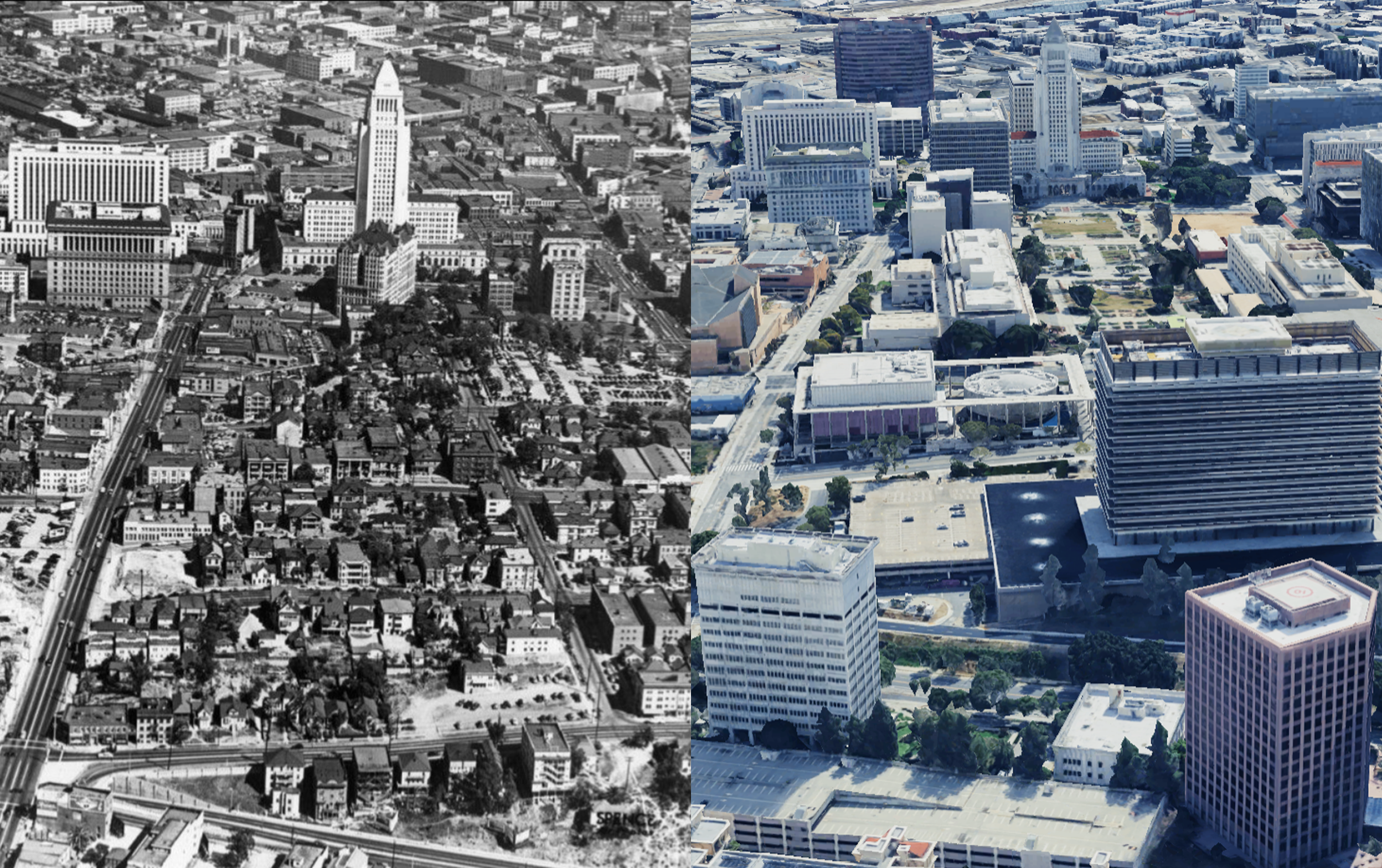
I thought about what the neighborhood might have been like if the government hadn’t seized and demolished it, building for itself, what Wikipedia tells me is, the second biggest concentration of government workers just behind Washington D.C. Before the city labeled it “blighted”, Bunker Hill was a densely populated neighborhood of old Victorian homes, subdivided for its low income residents after its wealthy founders moved on. It is not hard to think that the area might now resemble a trendy San Francisco neighborhood if left to its own devices.
Bunker Hill’s redevelopment has taken almost as long as its origins, with the Grand Avenue Project just wrapping up in 2022. Office spaces sit a quarter vacant, and fewer people live here than before. There is a need for affordable housing and we forget that we tore a lot of it down. Despite all these complaints, as I settled into my temporary routine, I came to appreciate the utility of the shrine to civic culture and the efforts to make the area more human post-everyone reading Jane Jacobs like the pink benches and grassy performance space. It’s nice if you want to see a show.
And I doubt I would’ve wanted to live there back in the day. Raymond Chandler described it as such in The High Window:
Bunker Hill is old town, lost town, shabby town, crook town. Once, very long ago, it was the choice residential district of the city, and there are still standing a few of the jigsaw Gothic mansions with wide porches and walls covered with round-end shingles and full corner bay windows with spindle turrets. They are all rooming houses now, their parquetry floors are scratched and worn through the once glossy finish and the wide sweeping staircases are dark with time and with cheap varnish laid on over generations of dirt. In the tall rooms haggard landladies bicker with shifty tenants. On the wide cool front porches, reaching their cracked shoes into the sun, and staring at nothing, sit the old men with faces like lost battles.
In and around the old houses there are flyblown restaurants and Italian fruitstands and cheap apartment houses and little candy stores where you can buy even nastier things than their candy. And there are ratty hotels where nobody except people named Smith and Jones sign the register and where the night clerk is half watchdog and half pander.
Out of the apartment houses come women who should be young but have faces like stale beer; men with pulled-down hats and quick eyes that look the street over behind the cupped hand that shields the match flame; worn intellectuals with cigarette coughs and no money in the bank; fly cops with granite faces and unwavering eyes; cokies and coke peddlers; people who look like nothing in particular and know it, and once in a while even men that actually go to work. But they come out early, when the wide cracked sidewalks are empty and still have dew on them.
I read a lot of Raymond Chandler during jury breaks — The Little Sister and The Long Goodbye. I wondered if the court would have let me serve on the jury had they known I was filling my mind with tales of corrupt cops. Or that I hadn’t yet renewed my library book.
When asked if I thought I’d be a good juror, I answered with the truth: I did. Always have. Thanks to some random number-calling and the shameless few who claimed they could not be objective about the police, I found myself among the chosen twelve.
Though slightly annoyed by the disruption, I was also thankful and intrigued for the “experience” — an attitude that most seem to share. Jury duty feels like an escape room—clues, vague instructions, and hoping one of your friends can figure it all out. Except, someone’s actual freedom is at stake. As truthfully as I thought I could be objective and fair, I was also in it for the story.
The judge told us his trials typically lasted three to four months and we should be thankful ours might finish in a week. It was on the ninth floor — the same floor as the O.J. Simpson trial with a secondary security screening apart from the one on the ground floor (another thing I learned because of my incessant need to research every place I visit). Both were manned by two to four officers who hardly look up from scrolling as you walk on through, awkwardly trying to figure out where to set your Caffè Misto two times in quick succession (but not that quick, because it took 5-10 minutes for a free elevator to arrive).
I looked for clues I was actually the star of Jury Duty season 2. I thought the producers would have made a big mistake because I’d be able to notice some nanoinfluencer was playing a witness since I watch too much TikTok.
Alas, the trial was real, though it felt like a simulation of every cop-involved case we’ve come to expect anyway—except this time, no one died. If someone had, perhaps the story would’ve made the news, but since no one did, I couldn’t find anything about it after the trial concluded. Maybe if the Los Angeles Times were still across the street in the Times Mirror Square building, visible from our jury deliberation room, instead of in their new offices off the highway in El Segundo, they’d have had a reporter covering it. Now, that building stands empty, only brought to life for the occasional film shoot.
Tuesday was the bulk of the case. We heard that two Hispanic sheriff deputies pulled into a Domino’s parking lot in South LA and turned their spotlight on a rented white Porsche SUV with two black men as occupants. After running plates and finding nothing suspicious, the deputies claimed they just continued their patrol. Minutes later, they saw the same car with the driver on his phone. After making a U-turn, they pursued the Porsche, citing various other reasons—speeding, lane violations, loud music, etc.—to justify pulling it over.
Because the Porsche was coming to a rolling and sudden stop, the officers didn’t approach it like they would in a typical traffic stop. One jumped from their still-moving patrol car and headed toward the rear passenger side, while the other approached the driver’s window with a flashlight. We saw body cam footage of the incident, though it was mostly silent because the officers didn’t fully activate the cameras until after the incident, as they’re trained to turn them on only when it’s safe. In just a few seconds, the officer reached the driver, who had his hands up, but then the driver looked down and back up, appearing to reach for the gear shift and steering wheel—or maybe it was a gun? The officer reacted by reaching for his weapon and shooting the driver, just as he sped off, dragging the officer forward and running over his legs with the rear tire. The deputy claimed he saw a revolver under the right thigh of the driver and was wrestling for the gun, which ended up on the ground beside the deputy.
Because it was a deputy-involved shooting, there was a largescale investigation and manhunt as the suspect evaded police twice: aerial drone footage, a helicopter, DNA testing, GPS tracking, prison phone call surveillance. It seemed like a lot for just one simple case.
On Wednesday, we waited outside court most of the morning as the attorneys debated jury instructions. We heard brief perfunctory testimony from a DNA specialist suggesting the defendant’s DNA was on the gun. I thought of how many times she must have given juries the same primer on DNA over the years. I thought of the cost, salaries, and time up to and including two attorneys, the judge, judicial assistant, court reporter, the two teams of security all on their phones, and twelve people missing work (fifteen if you count the alternates). I added the court’s bill for Porto’s Bakery pastries to compensate for our long wait that morning, along with the $60 we all stood to make for our five days of time. Then there was the money I spent at Grand Central Market and Philippe the Original for my lunchbreaks and to further my civic and cultural enrichment. And I lumped it all in with the billions it has taken to redevelop Bunker Hill since 1960.
Thursday brought closing arguments. Both sides leaned into the cultural narratives of the past decade: the prosecution downplayed the idea this case could have included implicit bias while playing jailhouse phone calls of the suspect using the “n” word and joking about the cop being run over. The defense mused about why the cops picked on a Porsche in a poor neighborhood. Everyone seemed bored by these angles. It was all taken for a given and also dismissed as irrelevant in this meta-experience of a case that didn’t matter as much because it didn’t result in death and we are all kind of tired of it.
We started deliberating late Thursday and finished Friday morning. The charges were: 1) assault on police with a firearm, 2) assault on police with a deadly weapon (the car), and 3) felon with possession of a firearm. Everyone eventually agreed the accused had a gun, but there wasn’t enough evidence to prove assault with it.
I was one of the few who questioned whether the deputy had used an appropriate level of force and whether he was properly carrying out his duties. The sudden lurch for the gun, the shot fired, the lack of bodycam audio, and the questionable reason for the initial pullover all raised questions. Could the suspect have had the right to flee? I also wondered if the assault with the car had caused ‘great bodily injury’— we saw the officer walking and talking afterward. If there’s a spectrum to ‘great,’ how do I compare this to someone who is paralyzed or worse? I think part of me, which I knew I was supposed to ignore, simply dislikes the idea of anyone being sent to jail for too long. But ultimately, the suspect chose to drive away, and officers don’t have a duty to deescalate just because we wish they would. And the officer did need surgery to repair his knee.
So, we delivered “not guilty” on the first and “guilty” on the second and third. Everyone seemed content with this outcome. The prosecutor had even said in his closing argument that the assault with a firearm would be “the most debatable” and “interesting” charge which felt like an invitation to dismiss it. The suspect, in one of his calls, had told a friend he would “take the assault” if they “dropped the weapon.” Really, it seemed like we all could’ve saved a lot of time and money.
We collected our checks, said our goodbyes, and joked about running into each other at the judge’s favorite pizza place (Casa Bianca in Highland Park), and started the journey back up to Walt Disney Concert Hall parking garage, confident we arrived at what everyone wanted. I felt good too because who needs another tragedy these days?